Summary
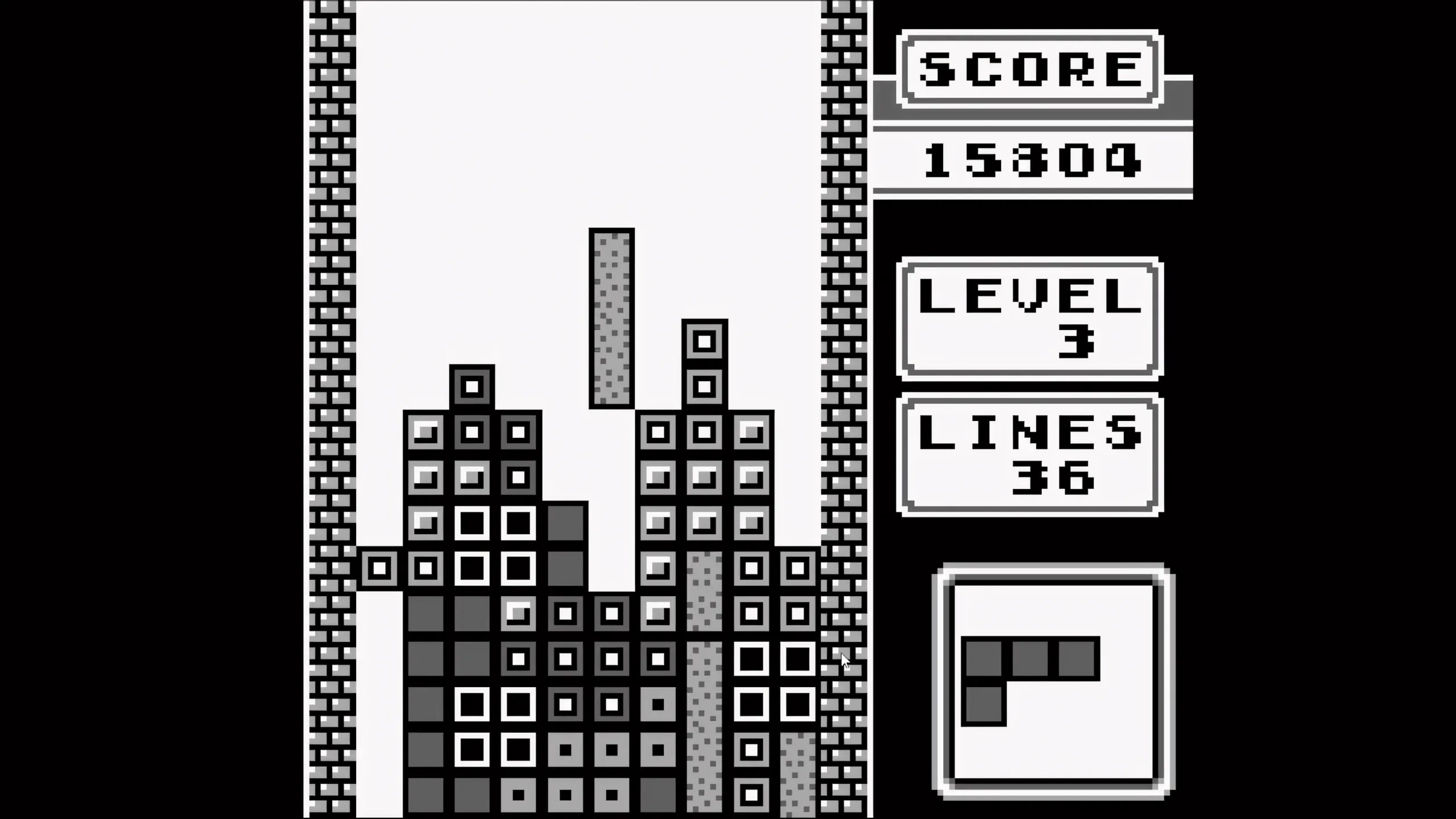
A 13-year-oldTetrisplayer named Blue Scuti has reached the “kill screen” on level 157 of the classic NESTetris, marking a historic milestone for the game. This achievement holds great significance for theTetriscommunity, as there were moments when they thought reaching this point was impossible. Considering the circumstances, it can be argued that Blue Scuti may have “beaten"Tetris.
NESTetrisrefers to the version of the classicTetrisgame released for the Nintendo Entertainment System in the late 1980s. ThisTetrisversion is widely regarded as one of the best ever. Its lasting significance is evident in the competitive community, especially at the ClassicTetrisWorld Championship, where players aim for high scores on the original NES version. The simple yet challenging mechanics ofTetrishave fostered a dedicated competitive scene, prompting players to devise innovative techniques over the years, resulting in impressive records. The game’s appeal and competitive scene continue to attract players worldwide, maintaining cultural relevance through annual tournaments.

Blue Scuti, the 13-year-oldTetrisenthusiast, reached the so-called “kill screen” at level 157 after a 40-minute, 1,511-line performance, marking a previously unattained height inTetrishistory. In addition to the evident mastery the player demonstrated in the game, he had to contend with the glitching of block colors in NESTetris. This issue, recognized within the community, involves specific color combinations that, upon reaching a certain point in the game, render blocks nearly invisible. This glitch added an extra layer of complexity, but it did not stop Blue Scuti from reaching the kill screen and breaking this impressive record. As aGameScout explains in a YouTube video, the concept of aTetris"kill screen” emerged with the belief that level 29 was the game’s unofficial endpoint due to the blocks' rapid descent, making further manipulation unattainable.
However, the landscape changed in 2011 when Thor Ackerlund reached level 30, introducing a new technique called “hypertapping.” This involved rapidly tapping the controller to surpass the game’s built-in speed. Subsequently, a new strategy called “rolling,” developed by player Cheez, allowed speeds over twice as fast as previous methods, pushing records beyond level 100. This new technique also changedtheTetrisWorld Championship landscape, where almost every player started to implement it.

While discussions continue about whether NESTetrisis truly “beaten,” the noteworthy aspect is the unresponsive state encountered beyond this point, marking an unprecedented accomplishment and making some consider this a way of beating the game.Tetriswas one of the best Nintendo launches ever, and the trigger of the “kill screen” prompts reflection on the enduring legacy of NESTetrisand the committed players who consistently redefine the limits of the games. Blue Scuti’s name is now etched inTetrishistory.
Tetris (1984)
Tetris® is the addictive puzzle game that started it all, embracing our universal desire to create order out of chaos. The Tetris game was created by Alexey Pajitnov in 1984—the product of Alexey’s computer programming experience and his love of puzzles. In the decades to follow, Tetris became one of the most successful and recognizable video games, appearing on nearly every gaming platform available.The goal of Tetris is to score as many points as possible by clearing horizontal lines of Blocks. The player must rotate, move, and drop the falling Tetriminos inside the Matrix (playing field). Lines are cleared when they are filled with Blocks and have no empty spaces. As lines are cleared, the level increases and Tetriminos fall faster, making the game progressively more challenging. If the Blocks land above the top of the playing field, the game is over.