Horroris today one of the most significant and successful genres in the entire gaming landscape. This wasn’t always the case, however, as there was once a time where the idea of creating a video game that could genuinely unsettle or even frighten players seemed far-fetched. Thanks to consistent improvements in gaming technology, though, development teams can now create scarier, more atmospheric, and more disturbinglyimmersive gamesthan ever before.
RELATED:Great 2000s Horror Games That Were Only Released On PC
Today’s horror gameshave a lot to thank the pioneers that came before them, as they took a chance on thehorror genresat times when it wasn’t a major player in the gaming industry, and were able to create great horror experiences despite gaming’s technical limitations at the time.
5Alone in the Dark
Alone in the Darkwas first released in 1992 on the MS-DOS and makes this as the first 3D survival horror game in the history of gaming, and arguably even the first survival horror game ever made, period. Like many games in the genre that would follow,Alone in the Darktakes place in a haunted mansion where players have amultitude of puzzles to solve, all while trying to stay safe from the monsters and ghosts that lurk within.
As well as spawning the survival horror genre, the gamealso kickstarted theAlone in the Darkseries, receiving five sequels over the course of 23 years. Unfortunately, none of the sequels managed to reach the heights of the original, and the series appears to have now ended following 2015’sAlone in the Dark: Illumination,which received a brutal Metascore of just 19.

4Clock Tower
Clock Towerwas developed by Human Entertainment and was released exclusively in Japan back in 1995. The game is apoint-and-click adventure- a genre that was common in the 90s - but was better know forlight-hearted, comedic adventures likeGrim FandangoorThe Secret of Monkey Island. Clock Tower, though, strips away the genre’s traditional comedy and replaces it with heart-pounding fear.
The game puts players in control of, Jennifer Simpson, who must explore and solve puzzles in a mansion; while avoiding the ever-present danger of being captured by the game’s antagonist, the terrifying Scissorman. Avoiding the villain is easier said than done, as players have no weaponry in the game, so they only have two options when they spot Scissorman: run or hide. With no way to fight back, encounters with the game’s antagonist are consistently tense, as players know that a Game Over screen and visually disturbing death is approaching.
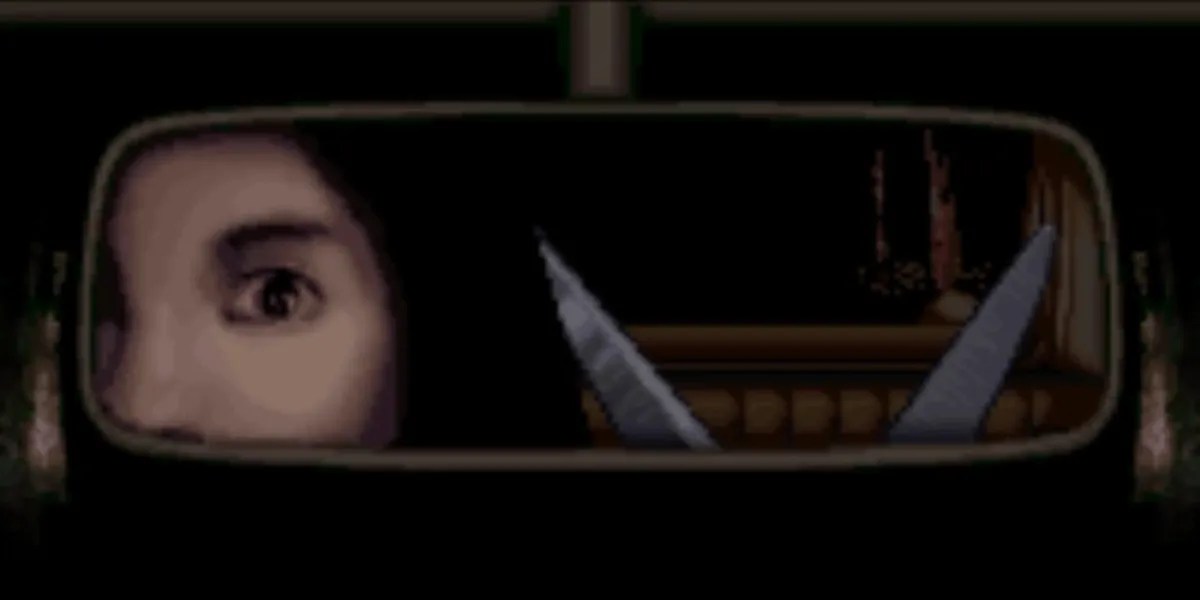
The concept of not giving the player weapons was groundbreaking at the time, though not many games picked up on the idea initially.Clock Tower’s influence was certainly seen in the last decade, however, as many horror games now force players to hide instead of fight, withOutlastandAmnesia: The Dark Descent(more on that later) being two prominent examples.Alien: Isolationis another game that can be compared toClock Tower, particularly with the xenomorph’s Sissorman-like pursual of the player.
3Resident Evil
Resident Evilis today one of the most iconic names in not just the horror genre but in gaming as a whole. The game that started it all was released in 1996 on the PlayStation 1 before coming to PC, Sega Saturn, and even the Nintendo DS in the years that followed. AlthoughAlone in the Darkcame before it and already used many of the same ideas,Resident Evilis often considered to be the single most influential horror game of all time as it improved uponAlone in the Darkin almost every way and was an enormous commercial hit.
RELATED:The Best Psychological Horror Movies That Will Leave You Thinking
LikeAlone in the Dark, Capcom’sResident Evilputs players in a haunted mansion wherethey must solve puzzleswhile avoiding the threat of enemies. UnlikeClock Tower, players do have weapons inResident Evil, though ammo is in short supply, so players must make every shot count.Resident Evilproved to the gaming industry that horror games could be major sellers, and if it wasn’t for Capcom’s 1996 adventure, the horror genre likely wouldn’t be anywhere near as big as it is today.
2Silent Hill
Silent Hilldifferentiates itself from the previous entries on this list by not taking place in a quintessential haunted mansion but in the town of Silent Hill instead, which helped to make the game feel far grander in design than most horror games before it.
Silent Hill’s main influence on the horror genre was that it predominantly focused onpsychological horror, which was unorthodox at the time. As well as this, the developers clearly put a lot of time and effort into creating a truly atmospheric experience on the PlayStation 1, most notably through the trademark mist, which constantly made players worry about what nightmares lurked within.

1Amnesia: The Dark Descent
As alluded to before,Amnesia: The Dark Descentis on this list for a similar reason asClock Tower.Like the 90s game,Amnesiaremoved the gun-fighting action of horror games that were particularly prominent in the early 2010s, by not giving the player weapons to fight back with. AlthoughClock Towerdid this long beforeAmnesia, it was Frictional Games' release that made it commonplace in the horror genre.
This wasn’t all thatAmnesia: The Dark Descentwas influential for, however, as it also contributed to the huge rise in prominence of the horror genre in the gaming industry. This can be directly attributed to how popular the game became on YouTube, where big names today like PewDiePie entertained audiences as they tentatively crept around every one of the game’s dark, foreboding corners.


